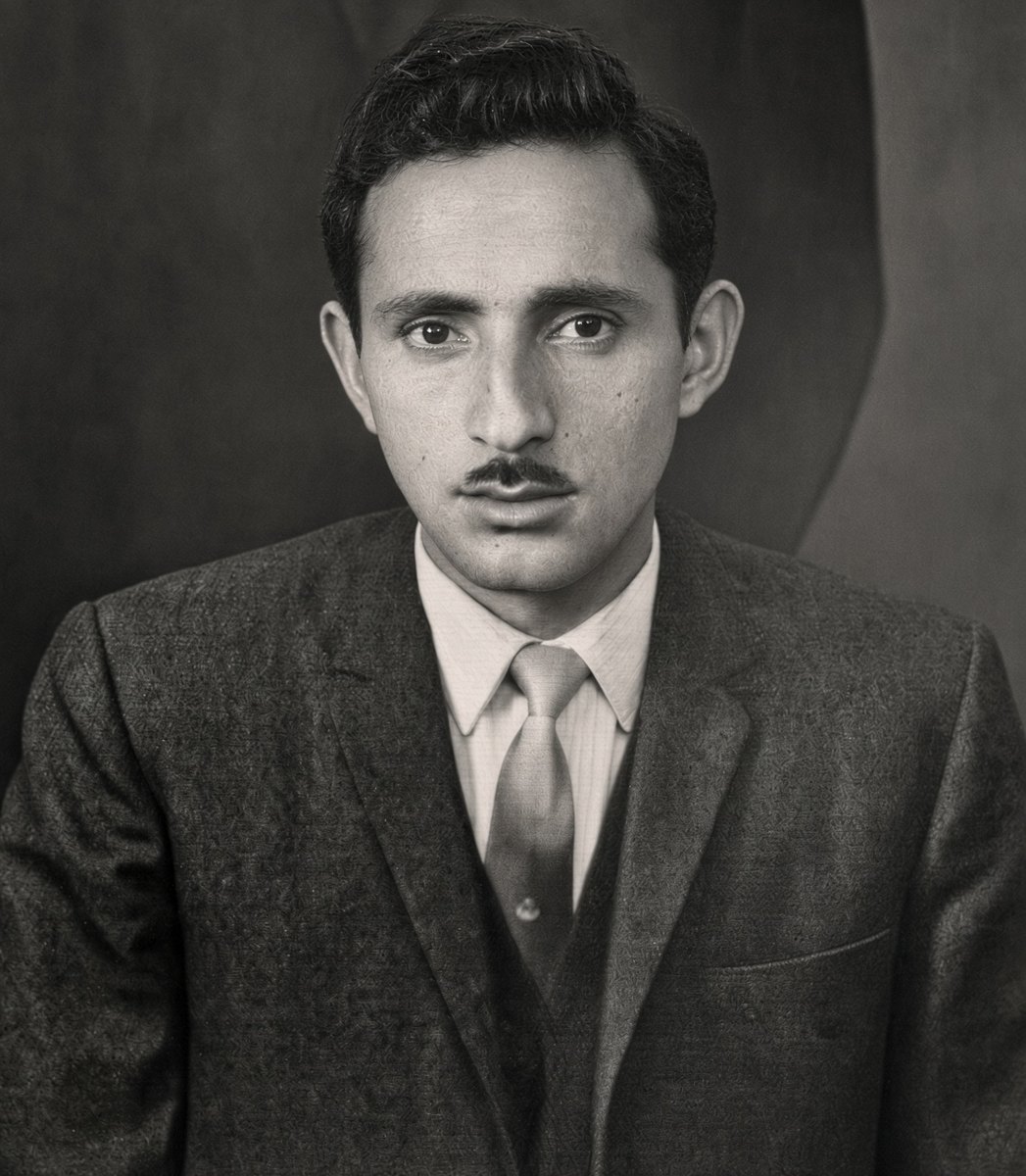
Portrait of Abdul Hameed Khawar

Home / Legacy

Legacy · A life spent on the record

Abdul Hameed Khawar

1913 to 1986

He spent his life writing down what Gilgit Baltistan had mostly kept in memory: who its peoples are, how their lineages run, and how the region's past fits together.

تاریخِ اقوامِ دردستان و بلورستان

01 · His life

Officer, councillor and historian.

He served the region as a police officer in the founding years of its force and as an elected member of the Northern Areas Consultative Council. On the land, he turned barren ground into fields, one irrigation channel at a time.

His lasting work is Tarikh e Aqwam e Dardistan o Balawaristan, a two volume history of the peoples of the region, published after his death.

02 · Public service

A police service still being built.

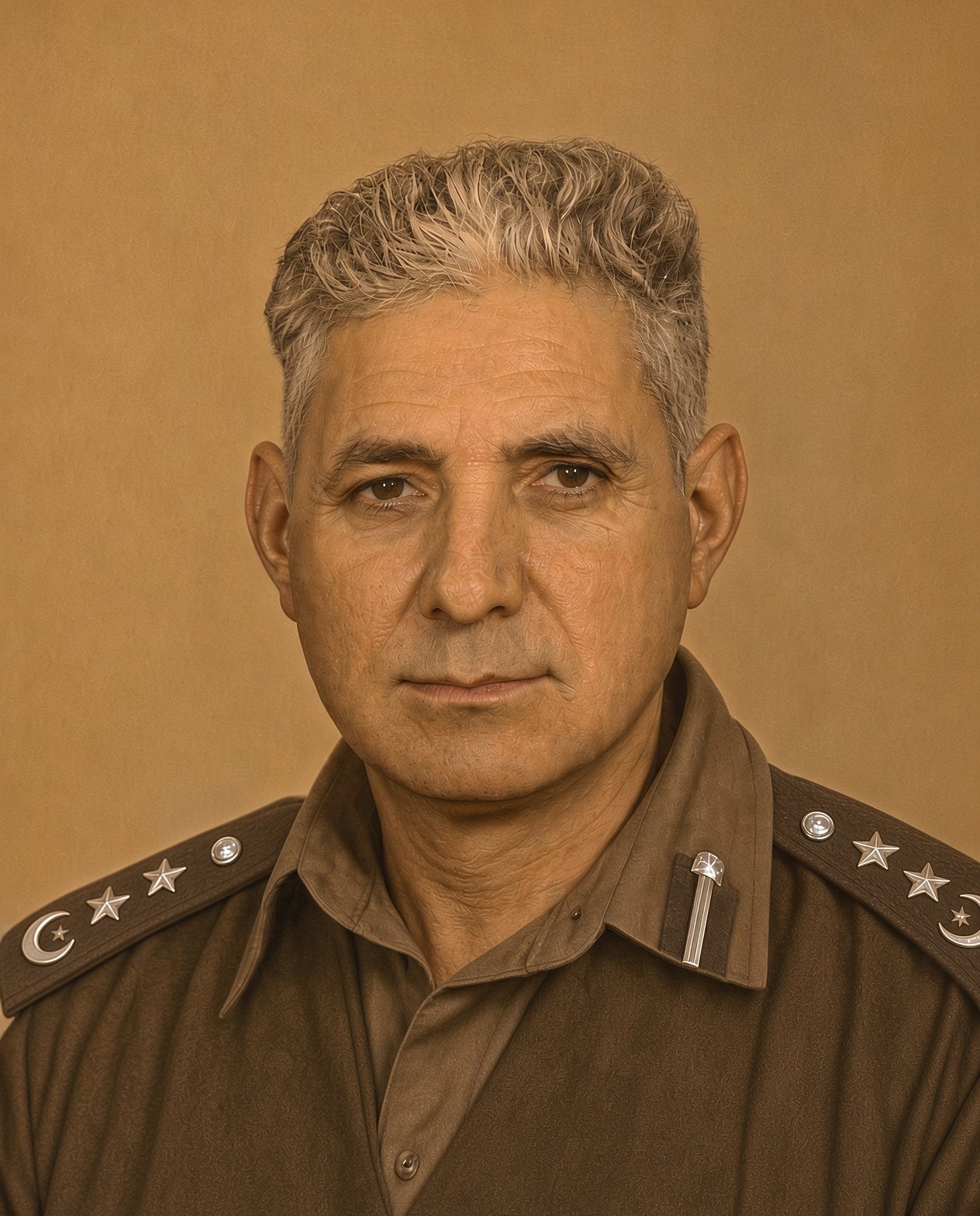
Abdul Hameed Khawar in police uniform
Abdul Hameed Khawar in police uniform.

In 1973 he was posted Assistant Inspector General of Police in Gilgit Baltistan, a year after the post was first filled, and he retired from the police in 1974. The central police office then ran from a rented house in Gilgit, and the Deputy Commissioner held an Inspector General's powers until 1975 (GB Police history).

The whole force numbered about 218 in 1975. On his retirement, Colonel Mir Wali of Ghizer succeeded him as AIG.

In 1975 he was elected to the Northern Areas Consultative Council, carrying the same knowledge of the region into its early elected politics.

03 · The historian

History tested against evidence.

Khawar was a contemporary and companion of the archaeologist Ahmad Hasan Dani and the German scholar Karl Jettmar, the two names most tied to the study of the region's past. His own research spread across history, genealogy, anthropology, linguistics, poetry and prose.

Over decades he gathered documents and manuscripts and kept them in drafts written at different stages of his life. His method went beyond chronicle: he tested history against evidence, traced the region's linguistic past, and read its scattered ruins for what they said about earlier ages.

04 · The book

Published by his son, after his death.

His son Abdul Waheed compiled and edited these papers and saw it as a duty to publish them. The book appeared in 2009 in two parts: Tarikh e Rajgan e Gilgit, six chapters on the ruling houses of Gilgit, the Trakhan dynasty, Hunza, Nagar, Yasin and Chitral, and Tehzeeb o Tamaddun e Dardistan, on the region's culture and tribes.

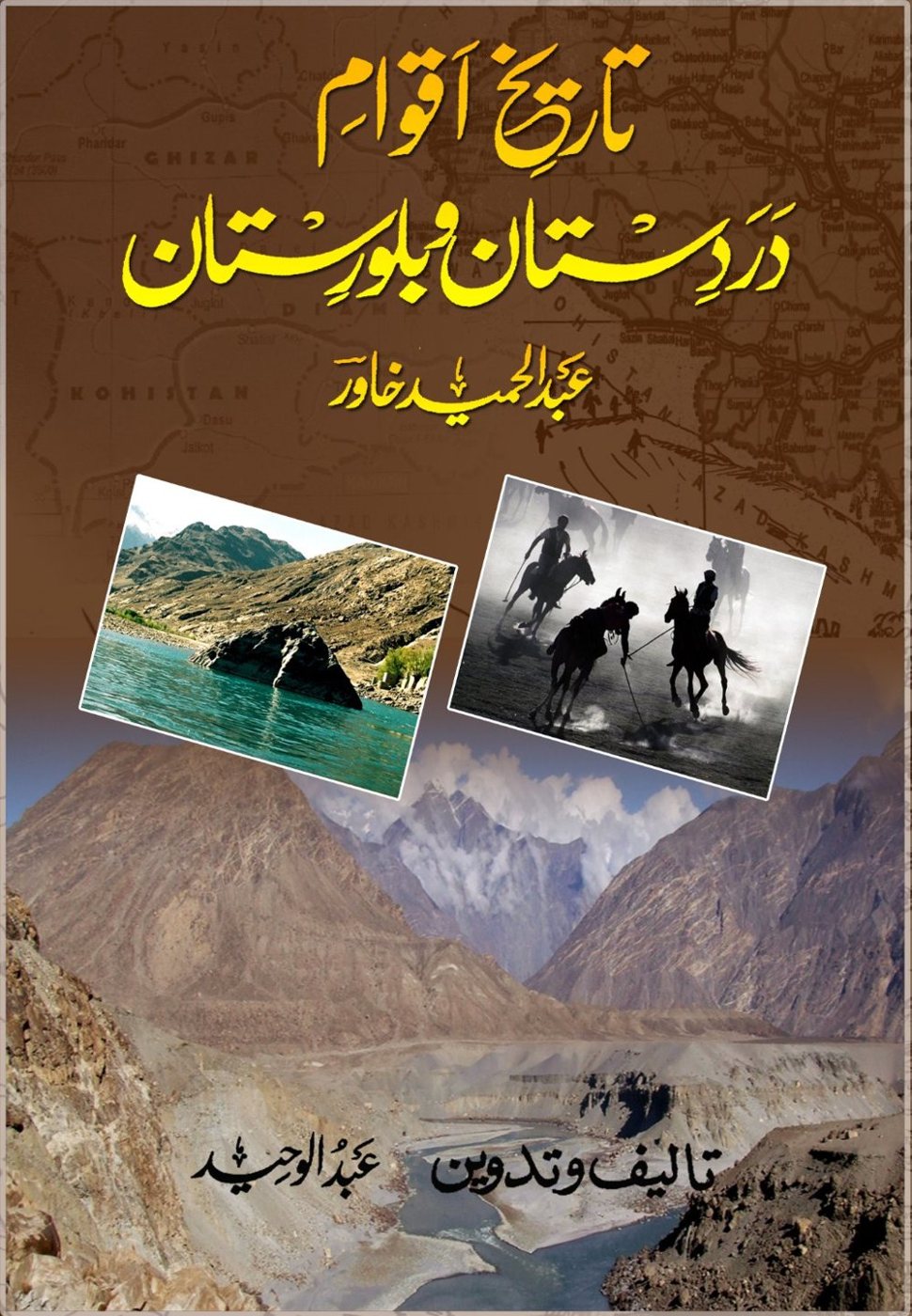
Front cover of Tarikh e Aqwam e Dardistan o Balawaristan
Titleتاریخِ اقوامِ دردستان و بلورستان
Tarikh e Aqwam e Dardistan o Balawaristan
SubjectThe peoples and history of Dardistan and Balawaristan, the old names for today's Gilgit Baltistan
ExtentTwo volumes, 750 pages
Published2009, Abdul Wahid and Brothers (Google Books)
ISBN978 969 9383 00 7
Compiled and editedAbdul Waheed, his son
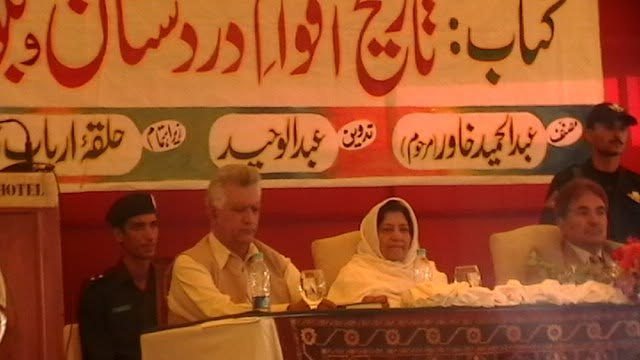
Launched byHalqa e Arbab e Zauq, Gilgit
Idea conceived byAbid Majeed Khawar, his grandson
Launch of the book in Gilgit, 2009
The launch ceremony in Gilgit, hosted by Halqa e Arbab e Zauq, the town's literary circle.

05 · Genealogy and culture

Descent set down in writing.

The book's purpose was twofold: to reconnect the broken chain of the region's history, and to trace the lineage of the tribes settled across it. In a region where family descent was carried in memory and in the words of elders, he set it down in writing.

Nine drawn family trees (shajra e nasab) trace the ruling houses, among them the Khushwaqt line of Yasin and the royal families of Hunza and Nagar. Illustrated pages give the tribes of Gilgit and its valleys their own place, including the Poray, Mannay, Dadmay, Joway, Phokay, Maddiyey, Malway, Buddiaey and the Machchokay of Rattu.

For families across Gilgit Baltistan, it remains a place to find their own names in the region's story.

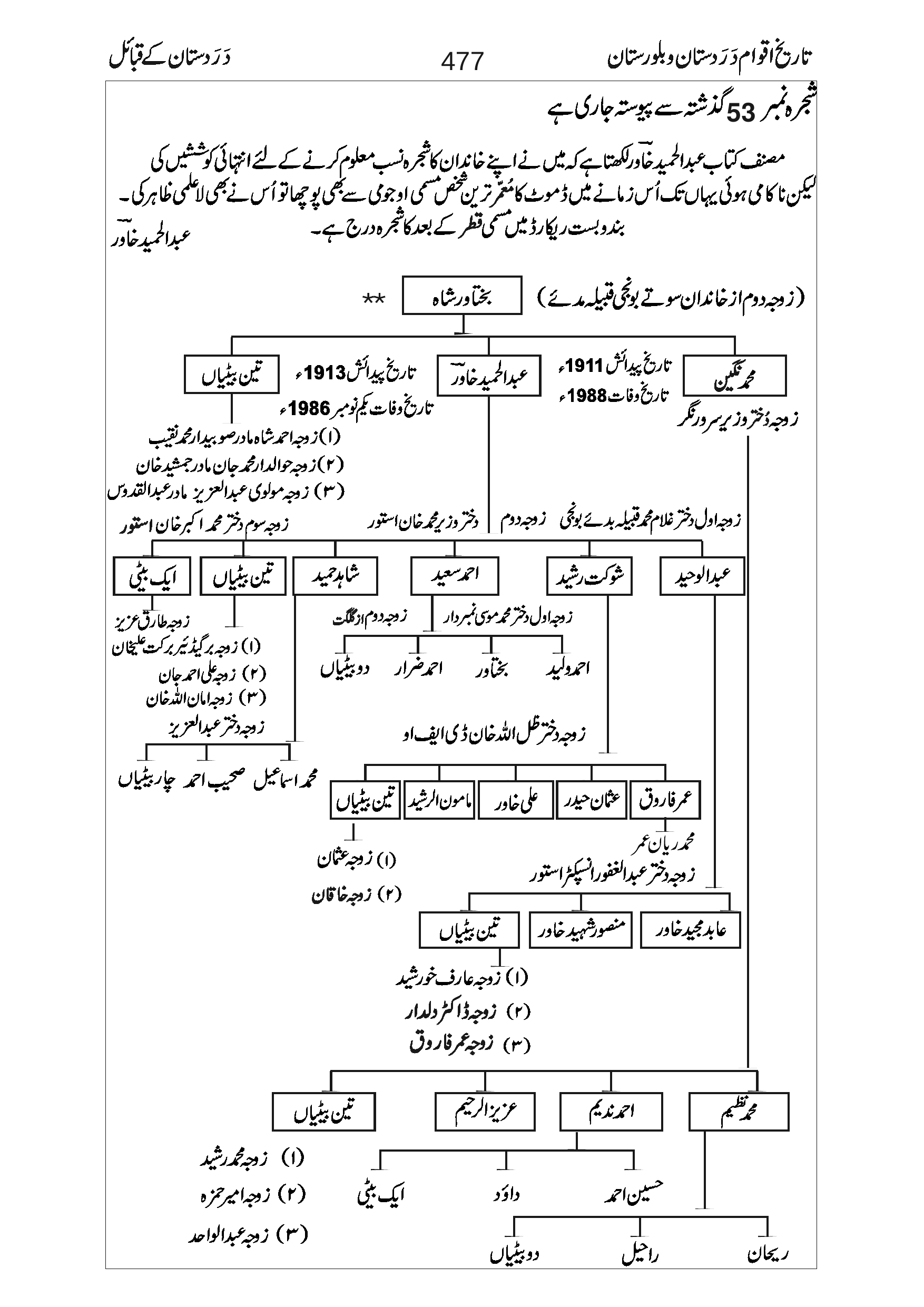
His own family is among them. Chart no. 53 traces the descendants of Bakhtawar Shah (1868 to 1920) across five generations. He noted that he tried hard to trace the line further back, even asking the most respected elder of Dumot, without success; the land settlement record carries it only from Qatar onward. Below, the chart is redrawn for the screen; a switch above it opens the original book page.
LEGACY · FAMILY GENEALOGY

شجرۂ نسب: اولادِ بختاور شاہ

خاندان مائیں سئی ڈموٹ (شین) · ماخوذ از تاریخ اقوامِ دردستان و بلورستان

مصنفِ کتاب عبدالحمید خاور لکھتا ہے کہ میں نے اپنے خاندان کا شجرہ نسب معلوم کرنے کے لئے انتہائی کوششیں کیں لیکن ناکامی ہوئی، یہاں تک کہ اُس زمانے میں ڈموٹ کا معتبر ترین شخص مسمی اوجومی سے بھی پوچھا تو اُس نے بھی لاعلمی ظاہر کی۔ بندوبست ریکارڈ میں مسمی قطر کے بعد کا شجرہ درج ہے۔عبدالحمید خاور
  • بختاور شاہ
    ۱۸۶۸ء تا ۱۹۲۰ء
    زوجہ دوم از خاندان سوتے بونجی، قبیلہ مدئے
    • محمد نگین
      پیدائش ۱۹۱۱ء · وفات ۱۹۸۸ء
      زوجہ: دختر وزیر سرور، نگر
      • محمد نظیم
        • ریحان
        • راحیل
        • دو بیٹیاں
      • احمد ندیم
        • حسین احمد
        • داؤد
        • ایک بیٹی
      • عزیز الرحیم
      • تین بیٹیاں
        • زوجہ محمد رشید
        • زوجہ امیر حمزہ
        • زوجہ عبدالواحد
    • عبدالحمید خاور
      پیدائش ۱۹۱۳ء · وفات یکم نومبر ۱۹۸۶ء
      زوجہ اول: دختر غلام محمد، قبیلہ بدے بونجی
      زوجہ دوم: دختر وزیر محمد خان، استور
      زوجہ سوم: دختر محمد اکبر خان، استور
      • عبدالوحید
        زوجہ: دختر عبدالغفور، انسپکٹر استور
        • عابد مجید خاور
        • منصور شہید خاور
        • تین بیٹیاںزوجہ عارف خورشیدزوجہ ڈاکٹر دلدارزوجہ عمر فاروق
      • شوکت رشید
        زوجہ: دختر ظل اللہ خان، ڈی ایف او
        • عمر فاروقفرزند: محمد ریان عمر
        • عثمان حیدر
        • علی خاور
        • مامون الرشید
        • تین بیٹیاںزوجہ عثمانزوجہ خاقان
      • احمد سعید
        زوجہ اول: دختر محمد موسیٰ، نمبردار
        زوجہ دوم: از گلگت
        • احمد ولید
        • بختاور
        • احمد ضرار
        • دو بیٹیاں
      • شاہد حمید
        زوجہ: دختر عبدالعزیز
        • محمد اسماعیل
        • صہیب احمد
        • چار بیٹیاں
      • تین بیٹیاں
        • زوجہ بریگیڈیئر برکت علی خان
        • زوجہ علی احمد جان
        • زوجہ امان اللہ خان
      • ایک بیٹی
        • زوجہ طارق عزیز
    • تین بیٹیاں
      • زوجہ احمد شاہمادر صوبیدار محمد نقیب
      • زوجہ حوالدار محمد جانمادر جمشید خان
      • زوجہ مولوی عبدالعزیزمادر عبدالقدوس
Original page 477 of Tarikh e Aqwam e Dardistan o Baloristan: genealogy chart 53, descendants of Bakhtawar Shah
اصل صفحہ ۴۷۷، شجرہ نمبر ۵۳ · کتاب کی اصل ترتیب میں محفوظ Original book page 477, chart no. 53, preserved in its printed layout. Only conversion damage was removed.

ماخذ: تاریخ اقوامِ دردستان و بلورستان، صفحات ۴۷۶ تا ۴۷۷۔ تحقیق: عبدالحمید خاور · تالیف و تدوین: عبدالوحید Source: Tarikh e Aqwam e Dardistan o Baloristan, pp. 476–477. Research by Abdul Hameed Khawar; compiled by Abdul Waheed.

06 · Roots and company

Family memory and long friendships.

An ancestor, Wazir Bethaam, served as minister of finance and tutor to the heir when Raja Sulaiman Shah of the Khushwaqt house took Gilgit in the eighteenth century; a stipend granted to the family for that service ran on past 1947.

Khawar drew his taste for writing history from long friendships with the first Raja of Punial, Muhammad Anwar Khan, and later with the Mehtar of Chitral, Nasir ul Mulk. His ties with the Mehtar's court lasted until his death.

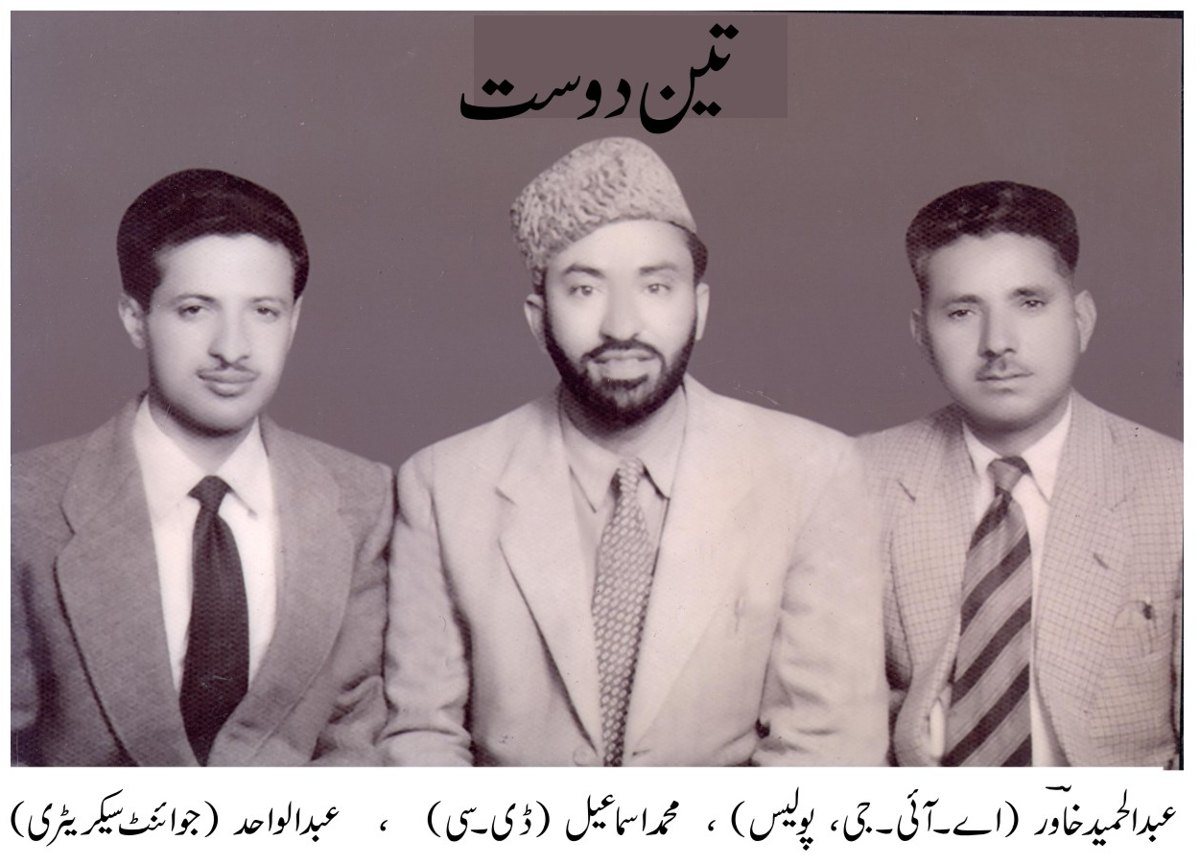
Three friends
"Three friends": Abdul Hameed Khawar (AIG Police), Muhammad Ismail (Deputy Commissioner) and Abdul Wahid (Joint Secretary).
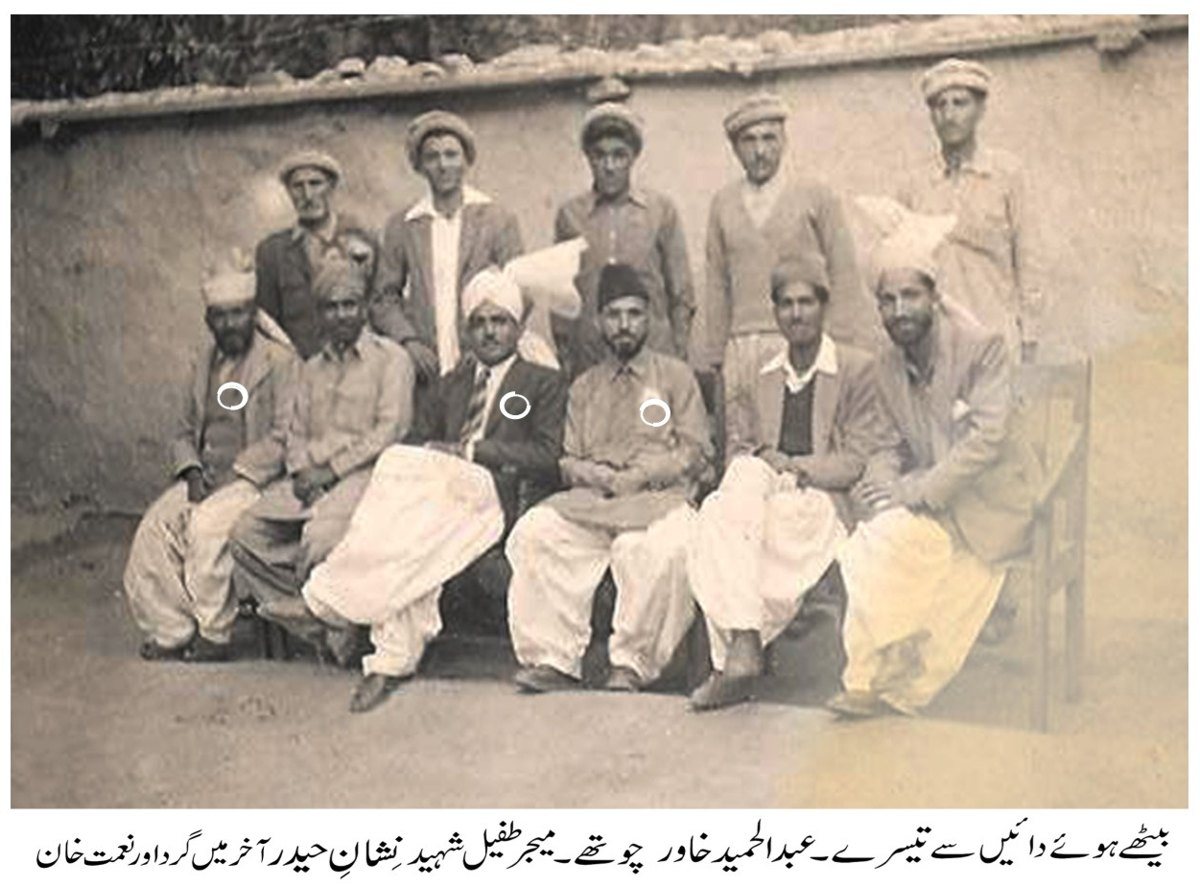
Group photograph with Major Tufail Muhammad
Seated third from right, Abdul Hameed Khawar; fourth, Major Tufail Muhammad, Shaheed, Nishan e Haider; at the end, Girdawar Nemat Khan.

07 · Land and water

Barren ground, and a channel cut to reach it.

Khawar acquired land across Gilgit Baltistan and brought it to life the only way that works in these mountains: by bringing water to it. Each estate began as barren ground and an irrigation channel cut to reach it.

The family estate at Pari Bangla, on the Karakoram Highway between Juglot and Gilgit, is one of them. Its walled fields and poplars stand on ground that was dry before his channel arrived. It is the same work as the history, done on the ground: patient, long term, and meant to outlast him.

08 · The work continues

A son's duty, and a grandson's edit.

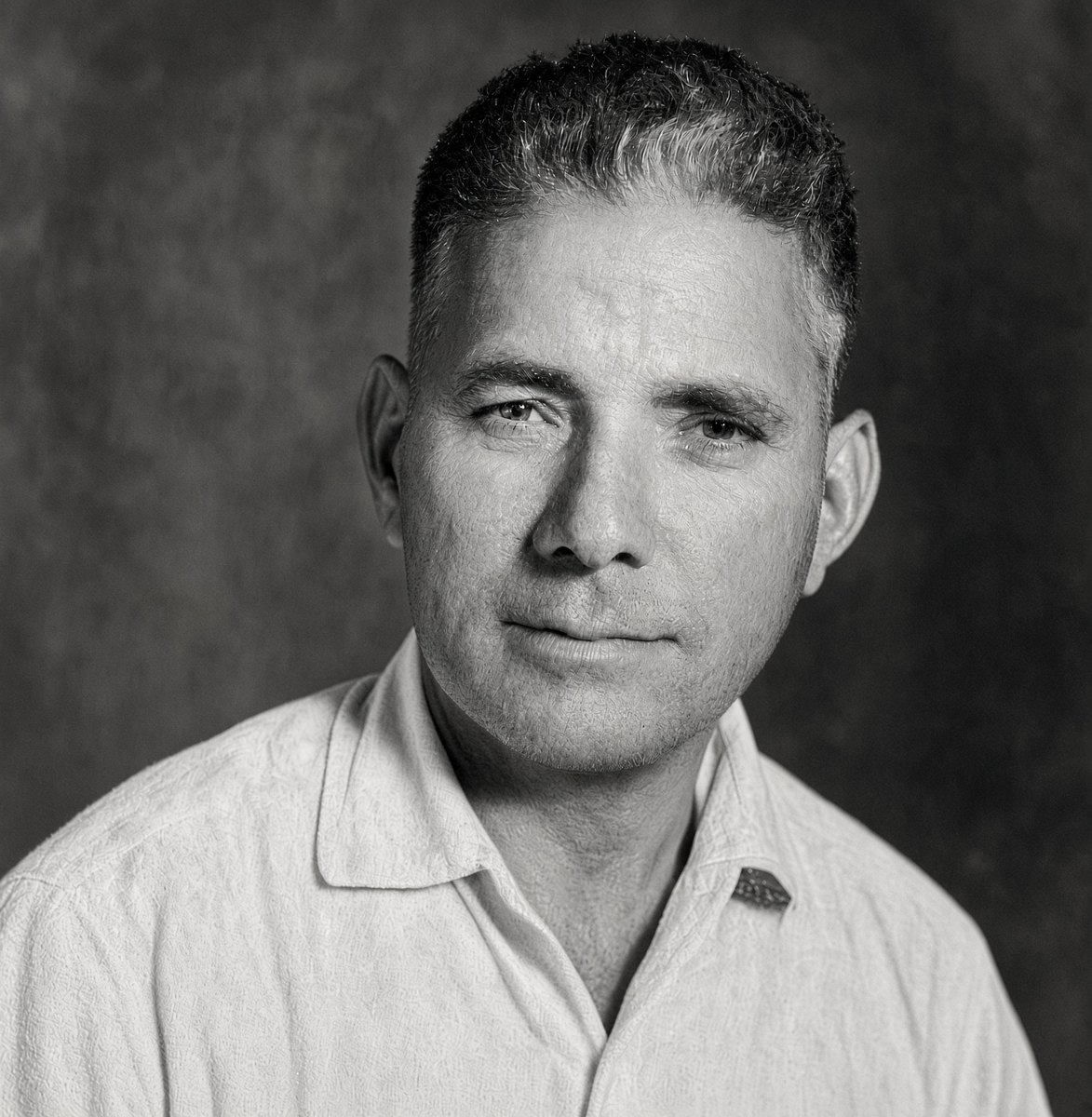
Portrait of Abdul Waheed
Engineer · Compiler and editor

Abdul Waheed

17 July 1938 to 19 February 2024

Executive Engineer (XEN), Gilgit Baltistan Public Works Department, retired · Son of Abdul Hameed Khawar

Abdul Waheed was an engineer by profession and served the Gilgit Baltistan Public Works Department until his retirement as Executive Engineer. Alongside his career, he took upon himself the completion of his father's life's work. He collected the manuscripts, compiled and edited them into two volumes, and brought about their posthumous publication in Gilgit in 2009.

Seven hundred pages could not hold all the papers. Abdul Waheed went on to prepare a second volume from them, Tarikh e Mughlan e Dardistan (Gilgit o Chitral), on the Khushwaqt, Burush and Kator dynasties descended from Mirza Ayub; its foreword is dated Islamabad, July 2018.

He also drafted Where the Mountains Meet, the story of Raja Gohar Aman, who fought the Sikh and Dogra advance in the years the Great Game was taking shape. In the foreword, Abdul Waheed credits his son Abid Majeed Khawar as the editor of both books.

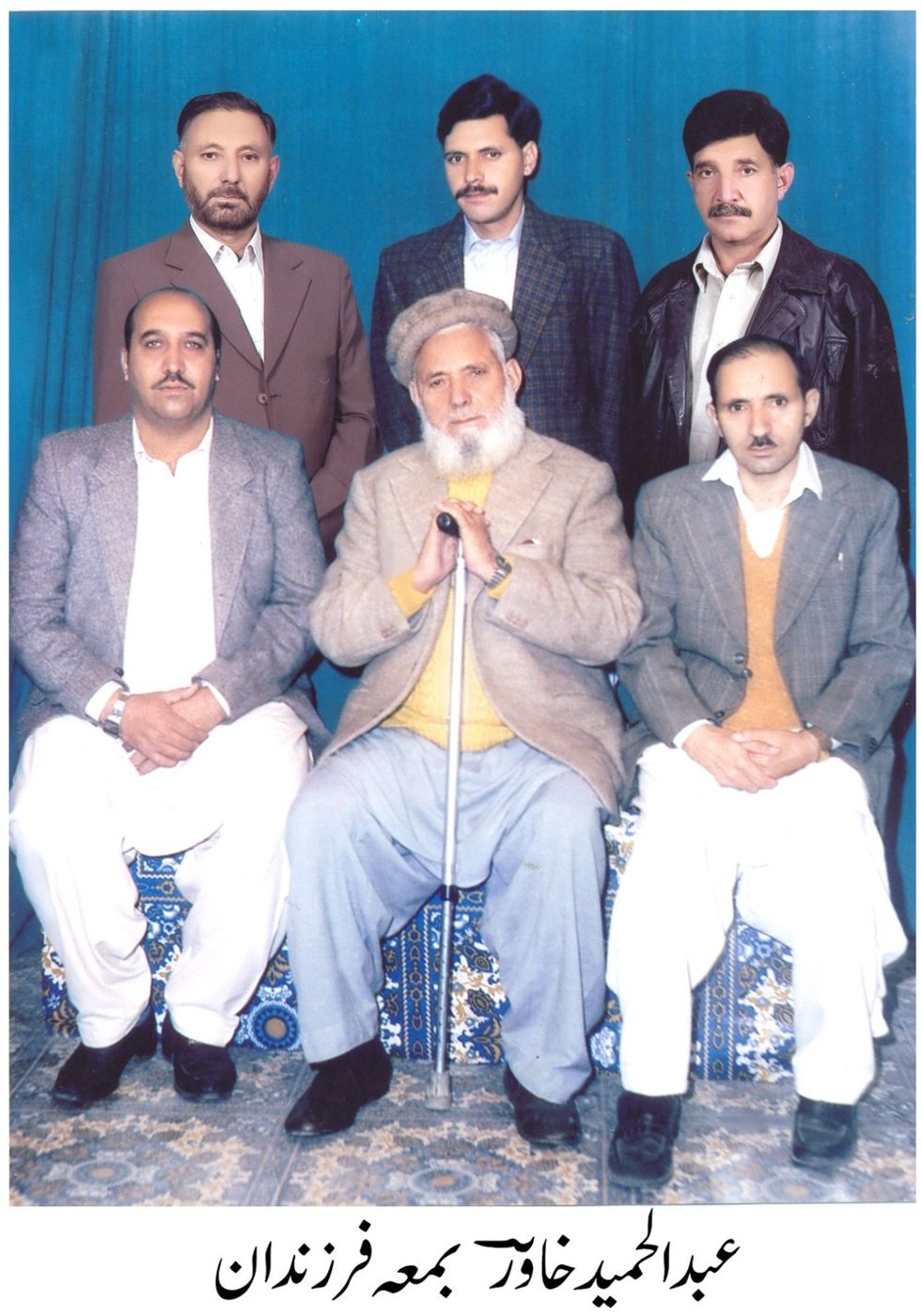
Abdul Hameed Khawar with his sons
Abdul Hameed Khawar with his sons.

The research behind the first book, its family trees and its photographs remain in the family's archive, with the second volume at first proof.

09 · Life at a glance

His life in dates.

  1. 18th c.Ancestor Wazir Bethaam serves Raja Sulaiman Shah Khushwaqt in Gilgit
  2. 1913Born on 5 January
  3. 1973Posted Assistant Inspector General of Police, Gilgit Baltistan
  4. 1974Retires from the police; Colonel Mir Wali succeeds him
  5. 1975Elected to the Northern Areas Consultative Council
  6. 1938His son Abdul Waheed is born on 17 July
  7. 1986Dies on 1 November
  8. 2009Tarikh e Aqwam e Dardistan o Balawaristan published in two volumes and launched in Gilgit by Halqa e Arbab e Zauq
  9. 2018Foreword written for the second volume, Tarikh e Mughlan e Dardistan, drawn from his papers
  10. 2024Abdul Waheed dies on 19 February

Sources: History of GB Police, Gilgit Baltistan Police; the book's Google Books record; the 2009 print files, the 2018 first proof foreword and photographs in the family archive.